

Clear communication is essential for every school, university, and educational institution. From daily parent inquiries and attendance calls to admissions, staff coordination, and urgent announcements, education teams need a phone system that can keep conversations organized and accessible.
Traditional phone systems often make this process harder. Calls may be missed during busy office hours, staff may be limited to fixed desk phones, and managing communication across departments or multiple locations can become complicated. VoIP for Education offers a more flexible way to handle these needs by using internet-based calling and modern call management features.
With the right VoIP school phone system, educational institutions can route calls to the right department, support remote or mobile staff, manage voicemail more efficiently, and create a more reliable communication experience for parents, students, teachers, and administrators.
What Is VoIP for Education?
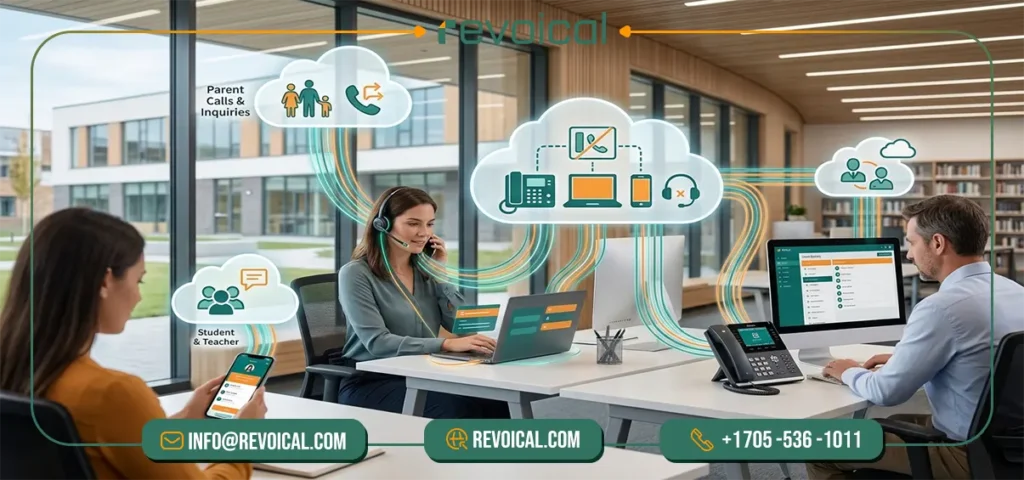
VoIP for education is a modern phone system that allows schools, universities, and educational institutions to make and receive calls over the internet instead of using traditional phone lines. In simple terms, it helps education teams manage voice communication through a more flexible and internet-based system.
A VoIP school phone system can be used for everyday communication such as answering parent calls, routing inquiries to the right department, connecting teachers and administrators, and managing voicemail more efficiently. Instead of relying only on fixed desk phones, staff can often use IP phones, computers, or mobile apps to stay connected.
For educational institutions, VoIP is not just a replacement for old phone lines. It is a communication system that can support better call handling, easier internal communication, and more organized contact between parents, students, teachers, and administrative teams.
See More: Voip For Educational Institutions
Why Schools Are Replacing Traditional Phone Systems
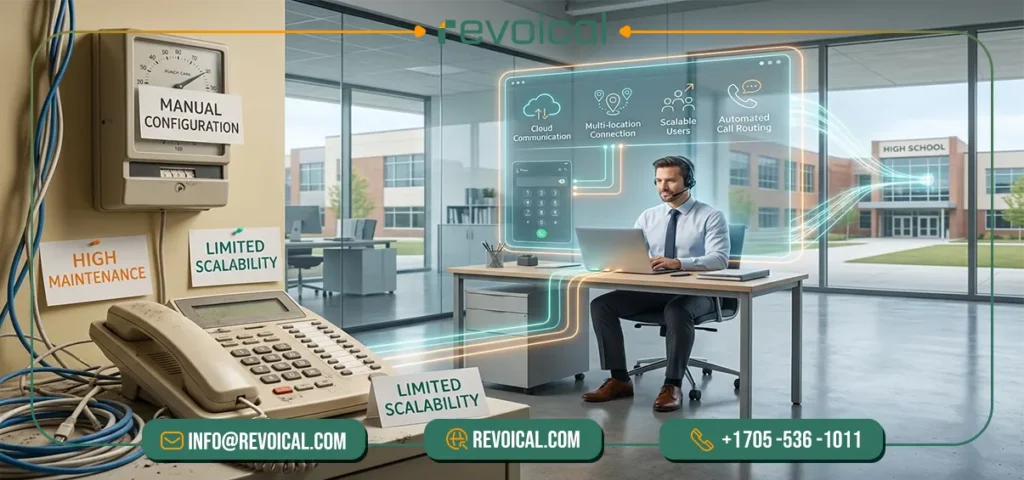
Many schools still rely on traditional phone systems that were designed for a different communication environment. These systems may work for basic calling, but they often become difficult to manage as the needs of schools, universities, and educational institutions grow.
A traditional phone system usually depends on fixed phone lines, on-site hardware, and manual configuration. This can make it harder to add new users, connect multiple buildings, support remote staff, or manage a high volume of daily calls. For a busy school office, even simple tasks such as transferring calls, updating extensions, or handling voicemail can become time-consuming.
VoIP for education gives schools a more flexible alternative. Instead of being limited to physical phone lines, a VoIP school phone system uses the internet to manage calls and communication features. This makes it easier for educational teams to adapt their phone system as their needs change.
Common reasons schools replace traditional phone systems include:
- High maintenance costs: Older systems often require physical hardware, technical support, and ongoing repairs.
- Limited scalability: Adding new extensions, departments, or locations can be slow and expensive.
- Less flexibility for staff: Traditional phones usually keep staff tied to a specific desk or office.
- Difficult call management: Handling parent calls, attendance messages, and department routing can be harder without modern call features.
- Challenges for multi-location institutions: Schools with multiple buildings or campuses often need a more connected communication system.
For these reasons, VoIP for educational institutions is becoming a practical choice for schools that want a phone system that is easier to manage, more flexible, and better suited to modern education environments.
Related Post: VoIP vs Landline vs Mobile
Key Benefits of VoIP for Schools and Educational Institutions
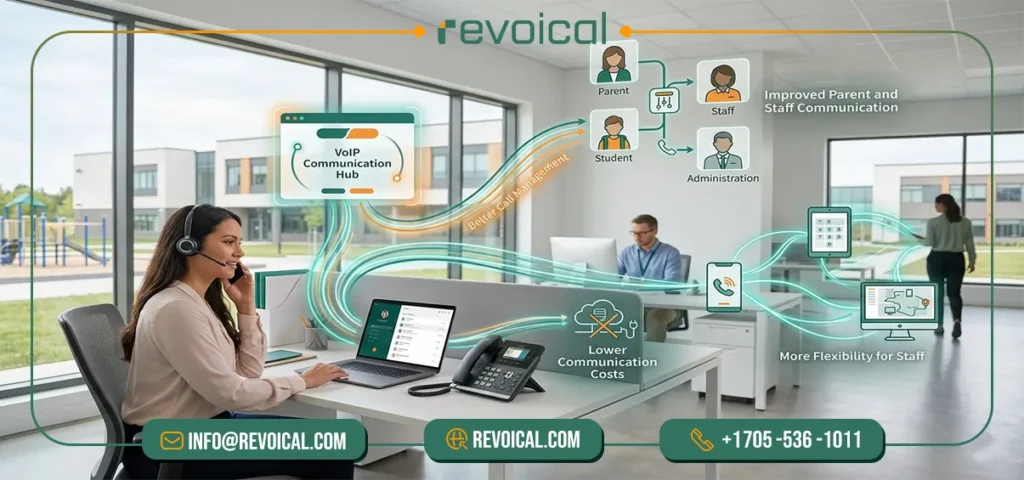
VoIP for schools is not only about replacing old phone lines. It helps educational institutions manage daily communication in a more organized, flexible, and cost-effective way. For schools, universities, and training centers, this can improve how staff, parents, students, and administrative teams stay connected.
Some of the most important benefits include:
Lower Communication Costs
Traditional phone systems often require separate phone lines, on-site hardware, maintenance, and service support. A VoIP school phone system uses the internet for calling, which can help reduce the cost of phone infrastructure and ongoing communication expenses.
For educational institutions with several departments, buildings, or campuses, this can make internal and external communication more affordable and easier to manage.
More Flexibility for Staff
School staff are not always working from one fixed desk. Administrators may move between offices, teachers may need to communicate from different locations, and some teams may support hybrid or remote work.
With VoIP for education, staff can often make and receive calls through desk phones, computers, or mobile apps. This gives schools more flexibility and helps important calls reach the right person, even when staff are not physically at their desks.
Easier Scalability
As schools grow, their communication needs also change. New departments, new users, additional extensions, or even new campuses may need to be added to the phone system.
VoIP makes this process simpler than traditional phone systems. Instead of installing complex hardware for every change, schools can usually add or adjust users more easily through a managed phone system. This makes VoIP for educational institutions a practical option for both small schools and larger organizations.
Better Call Management
Schools often receive many calls during busy hours, especially from parents, students, suppliers, and staff. Without proper call management, calls can be missed, transferred incorrectly, or delayed.
A VoIP school phone system can support features such as call routing, auto attendant, call queues, voicemail, and department-based extensions. These features help schools direct calls to the right team and reduce pressure on the main office.
Improved Parent and Staff Communication
Clear communication with parents is one of the most important needs in education. Parents may call about attendance, admissions, schedules, appointments, or urgent matters.
VoIP helps schools create a more organized communication flow. Calls can be routed to the right department, voicemail can be managed more efficiently, and staff can respond with better access to communication tools. This creates a smoother experience for parents, teachers, and administrative teams.
See More: Advantages and Disadvantages of VoIP services
Essential VoIP Features for Education
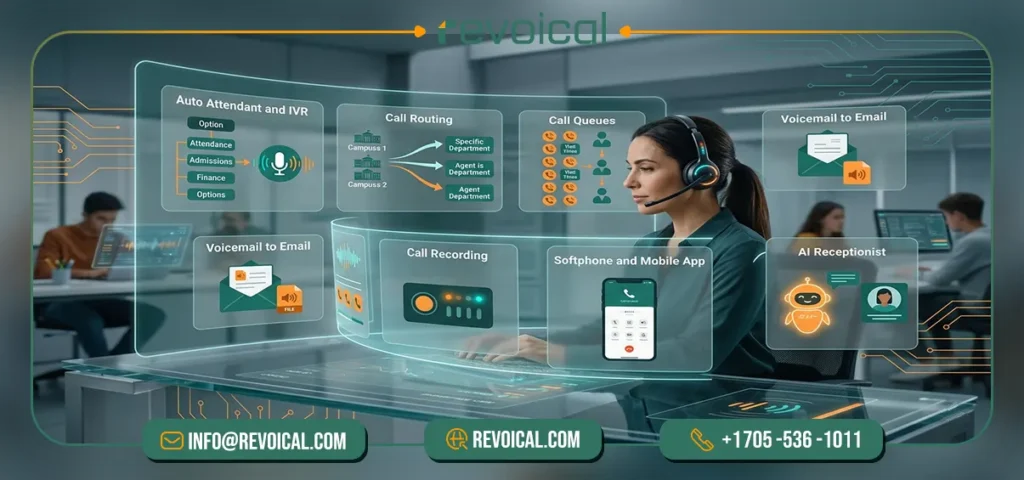
Choosing a VoIP school phone system is not only about making and receiving calls. For schools, universities, and educational institutions, the right features can make daily communication faster, more organized, and easier to manage.
Below are some of the most important VoIP features for education.
1. Auto Attendant and IVR
An auto attendant, also known as IVR, helps callers reach the right department without waiting for a staff member to answer every call manually. For example, parents can choose options for attendance, admissions, finance, student services, or the main office.
This feature is especially useful for schools that receive many calls during busy hours. It creates a clear call flow and helps reduce pressure on reception teams.
Related Post: Conversational IVR in VoIP
2. Call Routing
Call routing directs incoming calls to the right person, department, or location based on predefined rules. For example, attendance calls can go to the attendance office, admissions inquiries can go to the admissions team, and general questions can go to reception.
For educational institutions with multiple departments or campuses, call routing helps prevent missed calls and makes communication more efficient.
Explore: How Intelligent Call Routing Works
3. Call Queues
During peak times, such as morning attendance hours or enrollment periods, school offices may receive more calls than staff can answer immediately. Call queues place callers in line and connect them to the next available team member.
This helps schools manage high call volumes in a more professional way and gives parents and students a clearer calling experience.
Read More About: What Is a Call Queue?
4. Voicemail to Email
Voicemail to email sends voice messages directly to a staff member’s email inbox. Instead of checking a desk phone manually, staff can review messages from their computer or mobile device.
For schools, this is useful for attendance messages, parent follow-ups, after-hours calls, and administrative requests that need to be tracked or answered later.
5. Call Recording
Call recording can help educational institutions review important conversations when needed. It may be useful for quality control, staff training, admissions discussions, or resolving misunderstandings.
Schools should use this feature carefully and follow their internal policies and local privacy requirements when recording calls.
6. Softphone and Mobile App
A softphone allows staff to make and receive calls from a computer or mobile device. This gives teachers, administrators, and support teams more flexibility, especially when they are working from different offices, buildings, or remote locations.
With a mobile app, a VoIP school system can help staff stay connected without relying only on a physical desk phone.
7. AI Receptionist
An AI receptionist can help answer common questions, guide callers, and route calls more intelligently. For example, it may help parents find the right department, understand office hours, or leave a message when staff are unavailable.
For VoIP for education, this feature can reduce repetitive call handling and help schools provide a faster first response to callers.
To explore these features in a complete education-focused phone system, visit Revoical’s VoIP for Education solution.
Explore: Revoical Hosted PBX Features
Common Use Cases of VoIP in Schools
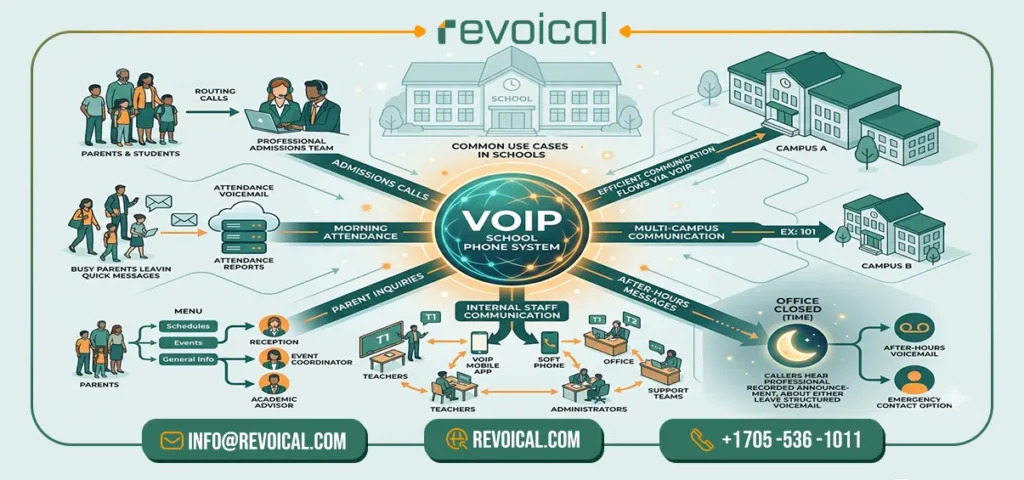
VoIP for education becomes more valuable when it is used to solve real communication problems inside a school or educational institution. A VoIP school phone system can support different daily workflows, from answering parent calls to managing messages after office hours.
Here are some common use cases of VoIP in schools.
- Admissions Calls
Admissions teams often receive many calls from parents, students, and applicants who need information about programs, registration, tuition, or required documents. With VoIP, these calls can be routed directly to the admissions department instead of going through the main reception every time.
This helps schools respond faster and creates a more organized experience for new families and students.
- Attendance Voicemail
Morning attendance calls can create a high call volume for school offices. Parents may call at the same time to report absences, late arrivals, or sickness.
With voicemail to email or dedicated attendance voicemail, schools can collect these messages in one place and review them more efficiently. This reduces pressure on reception staff and helps attendance teams track messages without missing important details.
- Parent Inquiries
Parents may contact the school for many reasons, including schedules, appointments, transportation, school events, or general questions. A VoIP school system can use call routing, IVR, and department extensions to send each inquiry to the right team.
This makes communication easier for parents and helps school staff avoid unnecessary call transfers.
- Staff Communication
Teachers, administrators, and support teams often need to communicate across different rooms, offices, or buildings. VoIP for schools can make internal communication easier through extensions, softphones, mobile apps, and call forwarding.
This is useful when staff are not always sitting at a fixed desk but still need to stay reachable during the school day.
- Multi-Campus Communication
For schools, universities, or educational institutions with multiple buildings or campuses, communication can become harder to manage with traditional phone systems. VoIP allows different locations to be connected under one phone system.
This means staff can call between campuses using internal extensions, and administrators can manage communication more centrally.
- After-Hours Messages
Schools often receive calls outside office hours from parents, students, suppliers, or staff. With VoIP, after-hours messages can be handled through recorded announcements, voicemail, or call forwarding rules.
For example, callers can hear office hours, leave a message, or be directed to the right contact option. This helps educational institutions maintain a professional communication flow even when the office is closed.
What to Consider Before Choosing a VoIP School Phone System
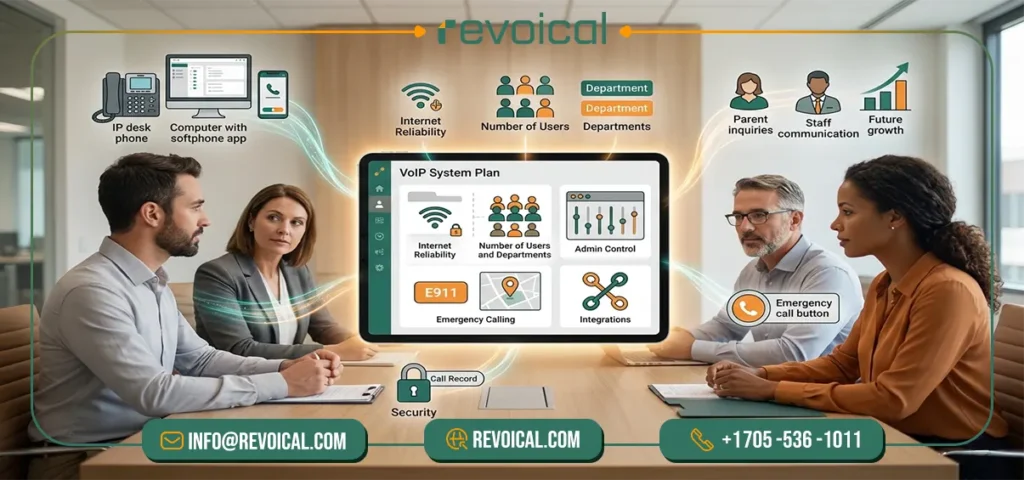
Before choosing a VoIP school phone system, educational institutions should review their communication needs, technical environment, and daily call workflows. The right solution should not only support basic calling, but also help the school manage parent inquiries, staff communication, emergency procedures, and future growth.
Here are the key points to consider before selecting a VoIP for education solution.
Internet Reliability
VoIP calls depend on the quality of the internet connection. If the school network is unstable, calls may experience delays, poor audio quality, or interruptions.
Before moving to VoIP, schools should review their internet speed, network capacity, Wi-Fi coverage, and backup connectivity options. A reliable network helps ensure that calls remain clear and consistent during busy school hours.
Number of Users and Departments
A small school may only need a few extensions, while a larger institution may require separate extensions for admissions, attendance, administration, finance, student services, and multiple departments.
Before choosing a system, schools should define how many users, departments, and phone extensions they need. This makes it easier to select a VoIP school system that fits current requirements and can grow over time.
Admin Control and Ease of Management
A good VoIP school phone system should be easy to manage. School administrators or IT teams should be able to update users, change call routing, manage voicemail, and adjust business hours without depending on complex technical processes.
For educational institutions, simple administration is important because communication needs can change during enrollment periods, school holidays, exam seasons, or staff changes.
Emergency Calling Requirements
Emergency calling is an important consideration for any school phone system. Before selecting a VoIP provider, schools should understand how emergency calls are handled, how location information is managed, and what limitations may apply to internet-based calling.
Educational institutions should also make sure that staff understand the emergency calling process and that the system is configured according to local rules and provider requirements.
Security and Call Recording Policy
Schools handle sensitive communication with parents, students, staff, and administrators. For this reason, security should be part of the decision-making process.
If call recording is enabled, the school should have a clear policy for when calls are recorded, who can access recordings, and how long recordings are stored. This helps protect privacy and keeps communication practices transparent.
Integrations with Existing Tools
Some schools may need their VoIP system to work with existing tools such as CRM systems, helpdesk platforms, Microsoft Teams, or other collaboration tools.
Integrations can help educational institutions manage communication more efficiently and reduce the need to switch between multiple systems during the day.
Support and Service Reliability
A VoIP for education solution should come with reliable technical support. Schools need quick assistance when there are issues with call quality, routing, voicemail, user access, or system configuration.
Before choosing a provider, it is useful to review support availability, response times, service reliability, and whether the provider understands the needs of schools and educational institutions.
Scalability for Future Growth
Communication needs can change as a school grows. New staff, new departments, additional campuses, or hybrid learning programs may require more users and more advanced call features.
A scalable VoIP school phone system allows educational institutions to expand their communication setup without replacing the entire system. This makes it easier to support both current needs and future growth.
See: Revoical Hosted PBX
Final Thoughts: Is VoIP Right for Your Educational Institution?
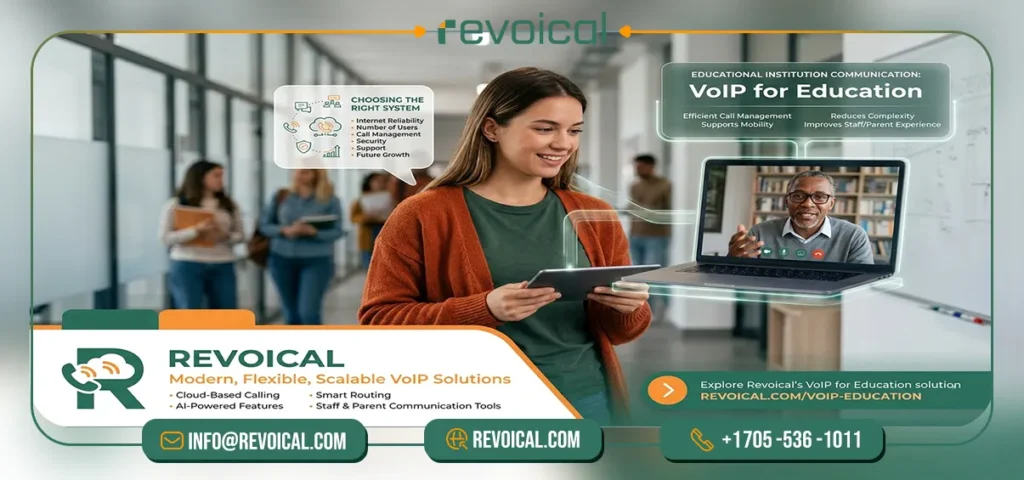
VoIP for education can be a strong choice for schools, universities, and educational institutions that want to improve communication without relying on outdated phone systems. It helps teams manage calls more efficiently, support staff mobility, reduce communication complexity, and create a better experience for parents, students, and administrators.
However, choosing the right VoIP school phone system depends on the real needs of each institution. Internet reliability, number of users, call management requirements, security, support, and future growth should all be considered before making a decision.
For schools that need a modern, flexible, and scalable communication system, Revoical provides VoIP solutions designed for educational environments. With cloud-based calling, smart routing, AI-powered features, and tools for better staff and parent communication, Revoical helps educational institutions manage their daily communication with more clarity and control.
To learn more, explore Revoical’s VoIP for Education solution and see how it can support your school’s communication needs.
FAQ
VoIP for education is a phone system that allows schools, universities, and educational institutions to make and receive calls over the internet. It helps education teams manage parent calls, staff communication, voicemail, and department routing more efficiently than traditional phone systems.
Yes, VoIP is suitable for many schools and universities that need a flexible and scalable communication system. A VoIP school phone system can support small schools, large campuses, multi-location institutions, and administrative teams with different communication needs.
A good VoIP school phone system should include features such as auto attendant, IVR, call routing, call queues, voicemail to email, call recording, softphone or mobile app access, and admin controls. These features help educational institutions manage daily calls more clearly and professionally.
Yes, VoIP for schools can improve parent communication by routing calls to the right department, reducing missed calls, and making voicemail easier to manage. It can also help staff respond faster to common inquiries about attendance, admissions, schedules, and school services.
Before switching to VoIP for education, schools should review their internet reliability, number of users, call management needs, security policies, emergency calling requirements, and future growth plans. Choosing the right system helps ensure the phone solution supports both daily operations and long-term communication needs.
No comment